

Bringing People Home: How Providers and Commissioners Can Work Together to End the Cycle of Hospitalisation

For those of us working to transform care for people with learning disabilities, autism, and mental health needs, the challenge is clear: too many people remain stuck in hospital settings when they should be living fulfilling lives in their own homes and communities. Despite years of effort, discharges are still too slow, and readmissions remain […]
Examples of Micro-Commissioning and Joint Purchasing with Personal Budgets for People with Learning Disabilities and Autistic People

Self-Directed Support (SDS) has transformed how people with learning disabilities and autistic people access and manage their care. By providing personal budgets, Direct Payments, and Individual Service Funds (ISFs), SDS enables people to shape their support in ways that work best for them. However, while many individuals use their budgets to employ personal assistants (PAs) or […]
A Citizenship Approach to Learning Disabilities: Rethinking Support and Inclusion Through Good Commissioning
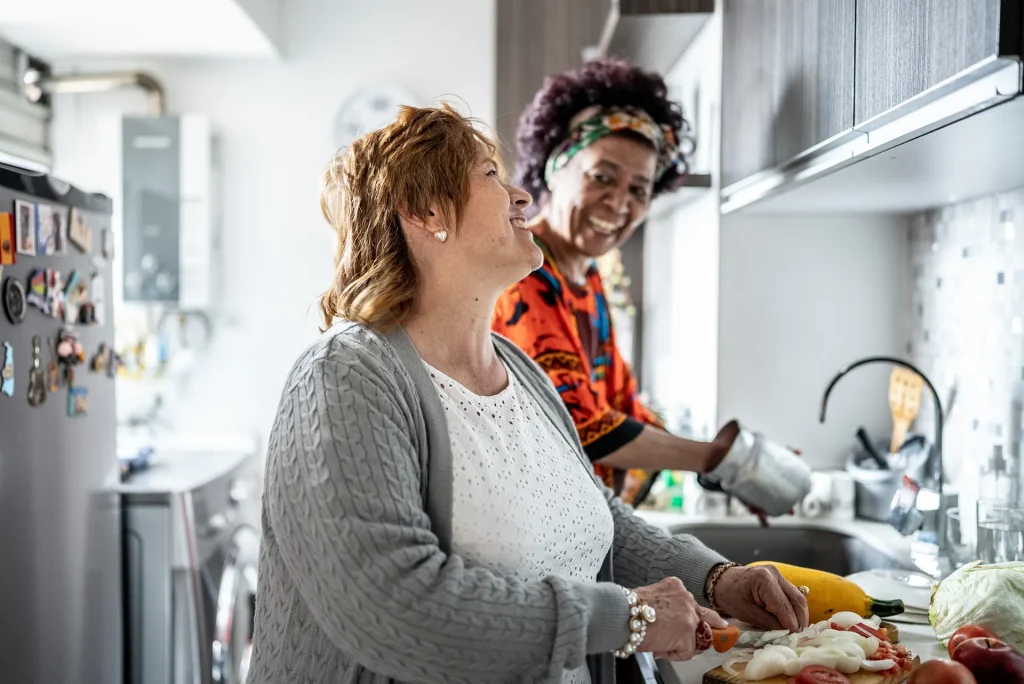
For decades, support for people with learning disabilities and autistic people has been shaped by a care-based model that prioritises services over citizenship. Instead of enabling full participation in society, the system has too often segregated and managed people – placing them in residential care, limiting their choices, and failing to recognise their rights as citizens. This needs to change. A citizenship-based approach to commissioning […]
The Importance of Individualised Support Planning for People with Learning Disabilities and Autistic People

Ensuring that people with learning disabilities and autistic people receive the right support is about more than just meeting basic needs – it’s about enabling individuals to live fulfilling lives with choice, control, and dignity. Individualised support planning is essential in achieving this, allowing support to be tailored to each person’s unique strengths, preferences, and […]
Understanding Social Stories

Social Stories are structured, personalised narratives that help individuals understand and respond to social situations. Originally developed by Carol Gray in 1991 for autistic individuals, they have since been widely adopted as an effective tool for people with learning disabilities, and communication difficulties. The goal of a Social Story is to provide clear, structured, and predictable information about […]
Individual Service Funds (ISFs) Provide Personalised Support and Cost Efficiency

Introduction This article delves into ISFs, their advantages, and how they differ from traditional direct payments—highlighting their potential to optimise care budgets and deliver financial savings without compromising quality. What Are Individual Service Funds? An ISF is a mechanism that allows individuals to have greater control over their care while ensuring that funds are managed […]